
More on Design Culture. Last month for World Architecture Day, I introduced the topic of design culture. Design thinking. The value of design. Today, I return to these topics since LinkedIn’s (understandable) character limit did not allow me to cover everything I wanted to share!
Designers are trained to solve problems, make ideas visible, envision the future, and synthesize fragmented and complex parts into a coherent whole, and architects do so within the context of the built environment. This design thinking (and the training that goes with it) can easily be deployed for the benefit of companies and corporations that wish to succeed in a highly competitive, rapidly-changing world. The goal for these commercial enterprises is to create a competitive advantage for themselves in today’s global economy; THEY are strategizing by design.
Increasingly, governments, industry, and the general public are coming to appreciate that the education, training, and experience of architects and designers are necessary if we are to realize the dream of healthy, productive, sustainable, safe, and livable communities. Perhaps we should think of the design process as an extraordinary human resource – a way of approaching problems and challenges that melds disciplined imagination with analytical methodology. Or … integrative thinking that is a holistic way of viewing the interrelated complexities our 21st-century world and the consequences of our decisions.
What evidence do we have of the growing power of design and design thinking? The “design process” is an increasingly common term in the corporate lexicon, and more books are being written for the business sector about how to create a design-focused workplace where innovation can thrive. Traditional design skills such as visioning, budgeting, project management, problem solving, and team building are being introduced into MBA programs all across the country. Several business schools actually employ what we think of as “studio culture” into their curriculum.
The solution-focused approach employed by architects and designers is taking hold in realms where the reductive, scientific method formerly ruled. I won’t go quite so far as to say the design process has penetrated every aspect of our lives from commerce to public policy, but it is appearing more and more, from legislative chambers to corporate board rooms. And none too soon, because the challenges we face on Planet Earth are unprecedented!
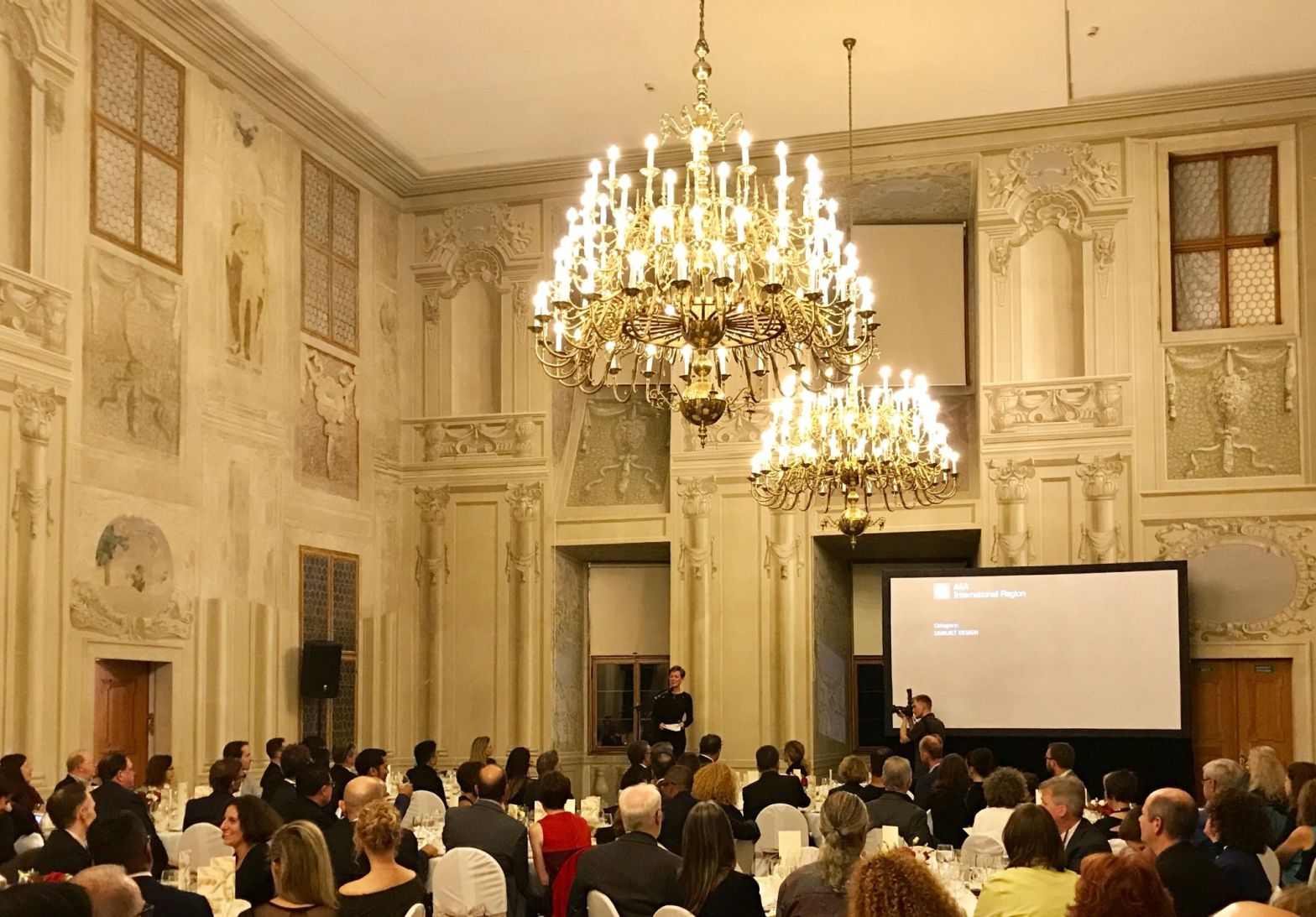
Photo Credit: Joint AIA Continental Europe and AIA International Conference, Fall 2017
More on Design Culture
 The Three Aspens